
Rosemarie, A Novel of Discovery Science
As she struggles with a rare disease at the American Embassy in Turkey, philosopher Rosemarie devises a theory of the red blood cells. Acting as a metacolony in real time, they constitute the Original Intelligence of humankind’s pre-neuronal ancestors and possess remarkable properties. Peculiar dreams lead Rosemarie to other theories. They also warn of terrorist attacks. Her diplomat husband is wounded fighting off jihadists. The ambassador is smitten by her charms. A CIA psychiatrist stigmatizes her with a fraudulent diagnosis. Entranced by a Turkish folktale, Rosemarie befriends a handsome young Turk….
Readers say:
“Excitement and intellectual depth.”
“The ending was very satisfying.”
“[I]t’s a good read and I recommend it.” (Goodreads)
Goodreads rating: 4.5 stars
See the author’s biosketch at About Us.
International
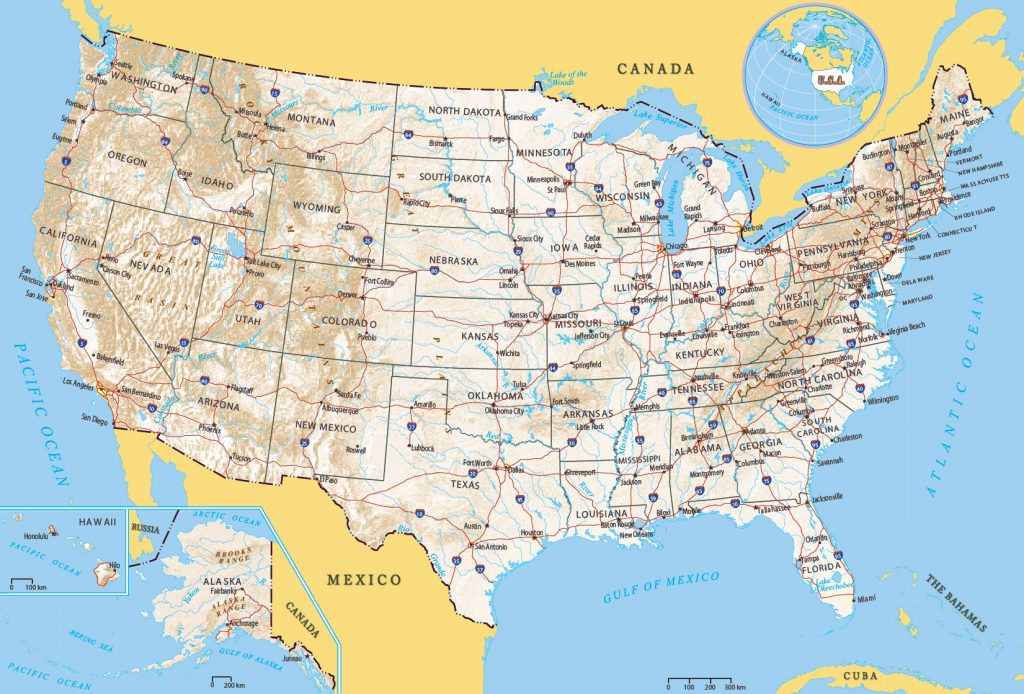 American history contains two outstanding wrongs committed against groups of us: the killing, displacement, and mistreatment of Native Americans and the subjection of African Americans to slavery and ongoing discrimination. Various thinkers have suggested kinds of reparations for these acts; but views differ sharply on whether reparations are justified, who should pay them, who should receive them, and what amount is fair and feasible. Instead of serving to heal our country, reparations have become one more divisive issue.

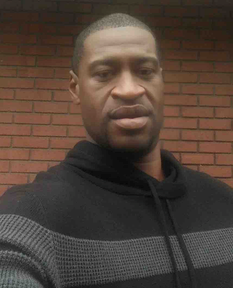 The death of George Floyd in Minneapolis on May 25, 2020 set off a nationwide surge of protests over police brutality against African-Americans. On April 20, 2021, the jury found Derek Chauvin, the police officer who pressed his knee on Floyd’s neck for nine minutes and 29 seconds, guilty of murder in the second and third degrees and manslaughter in the second degree. Worldwide attention to Floyd’s death has focused on racial disparities in the United States as well as on the specific issue of police brutality against African-Americans.
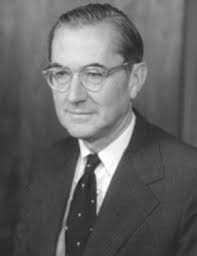 On April 27, 1996, 76-year old William Colby, former director of the CIA, disappeared from his vacation home on the water at Rocky Point, Maryland. Colby had spent the day at a marina fixing his sloop. He returned home after 6 pm, phoned his wife, who was visiting her mother in Texas, and told her he was tired and would eat supper, then go to bed. He watered his trees, met with his gardener and his visiting sister around 7:15 pm (sunset was at 7:57), and fixed himself a meal. The next day there was no sign of him. Eventually, a neighbor phoned the police. They found his supper half-eaten. The computer and radio were on. His canoe was missing.
 August 4, 1962. Celebrity actress Marilyn Monroe died in her bedroom in Los Angeles (or in the guest house near her house, from which she was carried back to her bedroom).