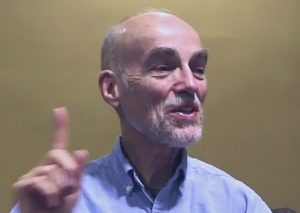
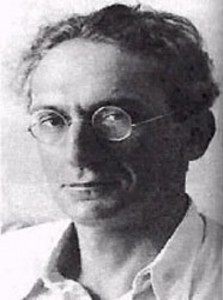
 In his book Worlds in Collision (1950), MD and psychoanalyst Immanuel Velikovsky argued that Venus had emerged as a comet from Jupiter, then approached Earth during the Bronze Age, causing catastrophes that appeared in the Bible and other ancient narratives and myths as well as leaving evidence in iconography, geology, archaeology, linguistics, and calendrics. Many scientists vehemently rejected his claims. Although Velikovsky attracted a sizeable following, he was shut out of scientific journals and became the single most vilified scientist of all time. After his death in 1979, the controversy–the greatest in planetary science since Copernicus and Galileo–faded into the background. But gradually researchers accumulated an array of new evidence supporting his case.
Now chatbot Claude Haiku has revisited the controversy and asked whether it shows signs of scientific rejectionism. After general discussion in points #1-10, in #11-20 human intelligence and AI collaborate on an evidence-grounded interdisciplinary solution–a Revised Venus Theory.
Tags: Bronze Age catastrophes, history of science, iconography, Immanuel Velikovsky, Peter Warlow, planetary science, pseudoscience, Revised Venus Theory, scientific rejectionism, venus
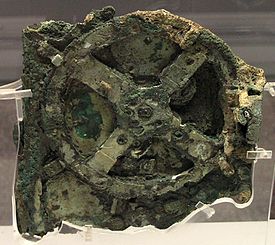
Decades of meticulous investigation have revealed many features of the 1st Century BC Antikythera Mechanism, a portable planetarium that demonstrated the motion of celestial objects. But we must question researchers’ conclusion that the Mechanism incorrectly represented the orbit of Mars, in particular, by roughly 30 degrees during retrograde motion.
This discrepancy seems anomalous in a sophisticated device that otherwise exhibited a much smaller range of error. So maybe there is some other explanation.
Tags: ancient astronomy, Antikythera Mechanism, Bronze Age catastrophes, Immanuel Velikovsky, Jupiter, Mars, planetary science, Revised Venus Theory, venus
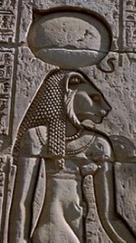 In his Worlds in Collision (New York: Macmillan, 1950), Immanuel Velikovsky argued that Venus emerged as a red-hot comet from Jupiter and passed Earth every 52 years, causing the Bronze Age catastrophes, before settling into its current orbit. His claim set off a controversy in which his theory was rejected and stigmatized. But over the years, new findings have changed the picture. Here are eight new reasons to accept a Revised Venus Theory.
Tags: Archer Yi, Athena, Bronze Age catastrophes, catastrophism, earth science, Immanuel Velikovsky, interpretation of myths, Martian Theory of Mass Extinctions, Metis, Outer Solar System Origin of the Terrestrial Planets, planetary science, Poseidon, Revised Venus Theory, The Knowable Past, Theory of the Reversing Earth, tidal theory of the planets, Worlds in Collision
 In his Worlds in Collision (1950), pioneer scientist Immanuel Velikovsky put forward a theory that Earth had inverted during the Bronze Age Catastrophes; but many scientists considered his proposed electromagnetic cause unpersuasive. In 1982 British physicist Peter Warlow, otherwise a Velikovsky supporter, presented a gravitational explanation. Here Stephen J. Dillon and Kenneth J. Dillon of Scientia Press discuss Warlow’s The Reversing Earth (1982) and its role in the debate over Velikovsky’s theories and findings. See also https://www.scientiapress.com/theory-of-the-reversing-earth.
13-05 ver.2.mp4
Tags: Bronze Age catastrophes, catastrophism, Immanuel Velikovsky, inversion of Earth, Peter Warlow, scientific rejectionism, the Reversing Earth, tippe top
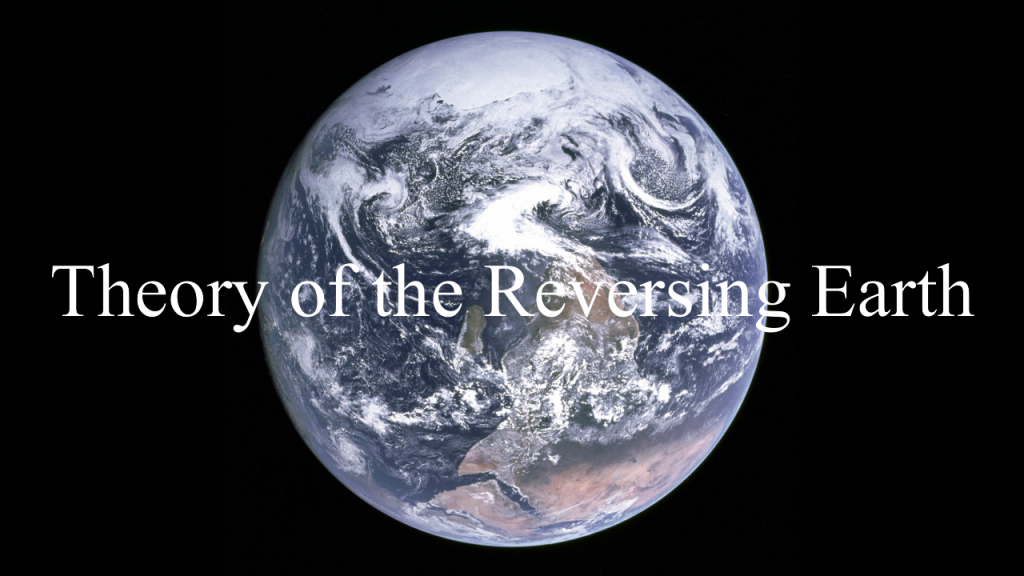 The Theory of the Reversing Earth was a key component of Immanuel Velikovsky’s Venus theory in which he contended that close passages of Venus caused Earth to topple over four times during the Bronze Age catastrophes. Now we have a Revised Venus Theory that corrects inadequacies of the original theory and provides a cause of the inversions as well as approximate dates (2200, 1628, 1210, and 820 BC), an array of new evidence, and a link to the great mass extinctions of prehistory. Viktoria Nagudi interviews Kenneth J. Dillon of Scientia Press. 9 Likes, 0 Dislikes.
Theory of the Reversing Earth
Tags: Archer Yi, Bronze Age catastrophes, Immanuel Velikovsky, Karnak, magnetic reversals, Peter Warlow, Re Horakhty, Venus theory
 This is a presentation by Kenneth J. Dillon at the Institute of Noetic Sciences, Petaluma, California, on November 30, 2016. See also the video at https://vimeo.com/196130652.
Tags: Biophotonic Therapy, consciousness, dermal-optic photoreceptor, history of science, Immanuel Velikovsky, magnetoreceptor, medicinal bracelets, psi, scientific rejectionism, skeptics, Theory of the Red Blood Cells, UBI
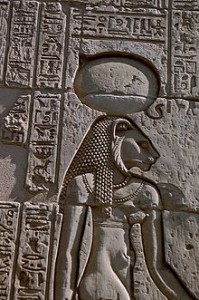 Worlds in Collision (1950) and Earth in Upheaval (1955) set forth the evidence and arguments for Immanuel Velikovsky’s pioneering, controversial theory that Venus emerged from Jupiter as a comet and repeatedly approached Earth, causing the Bronze Age catastrophes. Kenneth J. Dillon and Stephen J. Dillon discuss these books and the Scientific Rejectionism that stigmatized Velikovsky, thwarting a full, balanced assessment of his theories ever since. See also https://www.scientiapress.com/revised-venus-theory.
![]() 10-05 ver.3.mp4
10-05 ver.3.mp4
Tags: Bronze Age catastrophes, Earth in Upheaval, earth science, history of science, Immanuel Velikovsky, interpretation of myths, planetary science, scientific rejectionism, the Reversing Earth, Worlds in Collision
 Honor Immanuel Velikovsky, a great, misunderstood scientist! This striking, 100%-cotton Immanuel Velikovsky T-shirt, designed by Scientia Press, will get you and Velikovsky plenty of attention! Medium size. Wash in cold water.
To order yours,
Tags: Bronze Age catastrophes, Immanuel Velikovsky, Mars, planetary science, venus
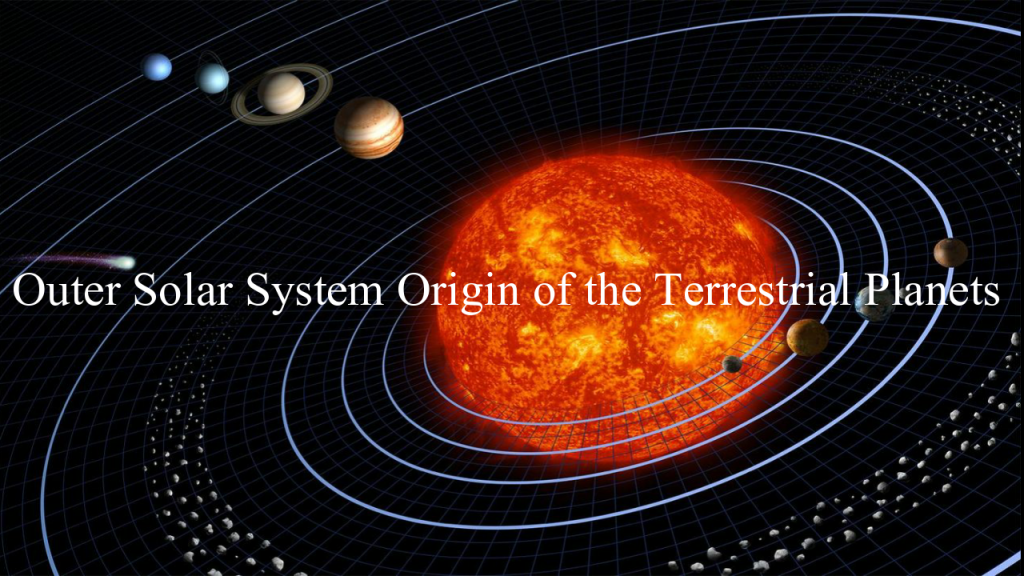
Historian and scientific researcher Kenneth J. Dillon discusses his theory The Outer Solar System Origin of the Terrestrial Planets (OSSO). OSSO explains how Mercury, Earth, the Moon, and Mars originated outside the orbit of Saturn, then were pulled inward by Jupiter’s gravity. Tidal friction heated them to incandescence, then they tidally locked to Jupiter and were separated, moving as comets into their present orbits. See also https://www.scientiapress.com/outer-solar-system-origin.
Outer Solar System Origin of the Terrestrial Planets
Tags: Bronze Age catastrophes, Capture theory, Immanuel Velikovsky, inner solar system, Jupiter, Mars, Mercury, moon, Oceanus Procellarum, planetary science, terrestrial, tidal locking, venus