
Historia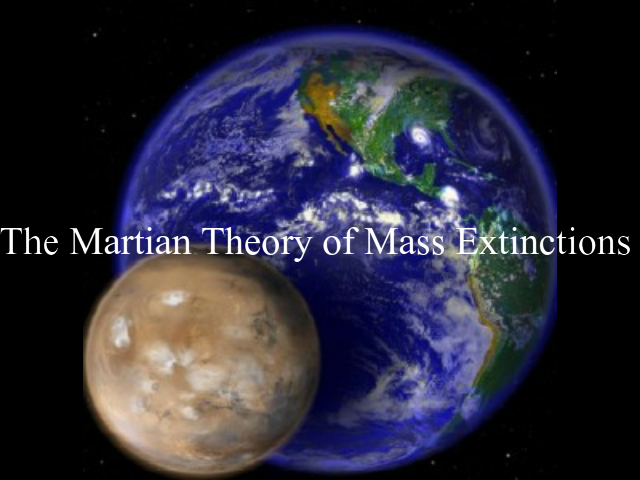 n and scientific researcher Kenneth J. Dillon explains his The Martian Theory of Mass Extinctions. For most of the past 4 billion years, the orbits of Mars and Earth were more eccentric than at present, and they intersected. The closest approaches of Mars led to the great mass extinctions of prehistory, while more distant approaches might account for many minor extinctions as well. The theory shows why the extinctions were serial events, why they differed in size, how they shaped the surface of Mars, and what made them so terrifically devastating. For further information, see https://www.scientiapress.com/extinctions.
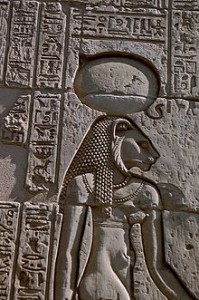 Worlds in Collision (1950) and Earth in Upheaval (1955) set forth the evidence and arguments for Immanuel Velikovsky’s pioneering, controversial theory that Venus emerged from Jupiter as a comet and repeatedly approached Earth, causing the Bronze Age catastrophes. Kenneth J. Dillon and Stephen J. Dillon discuss these books and the Scientific Rejectionism that stigmatized Velikovsky, thwarting a full, balanced assessment of his theories ever since. See also https://www.scientiapress.com/revised-venus-theory.
 Honor Immanuel Velikovsky, a great, misunderstood scientist! This striking, 100%-cotton Immanuel Velikovsky T-shirt, designed by Scientia Press, will get you and Velikovsky plenty of attention! Medium size. Wash in cold water.
To order yours,
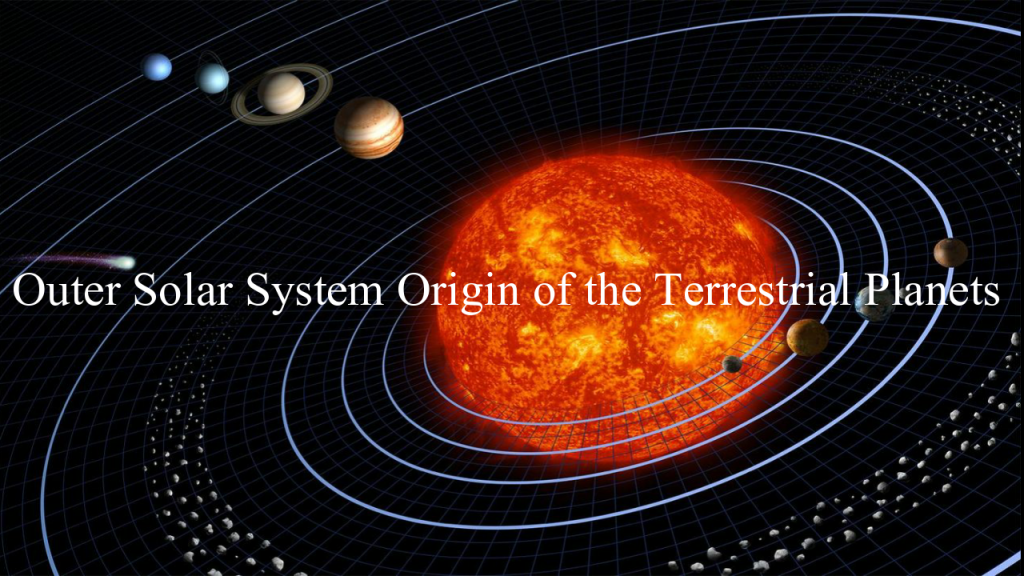
Historian and scientific researcher Kenneth J. Dillon discusses his theory The Outer Solar System Origin of the Terrestrial Planets (OSSO). OSSO explains how Mercury, Earth, the Moon, and Mars originated outside the orbit of Saturn, then were pulled inward by Jupiter’s gravity. Tidal friction heated them to incandescence, then they tidally locked to Jupiter and were separated, moving as comets into their present orbits. See also https://www.scientiapress.com/outer-solar-system-origin.