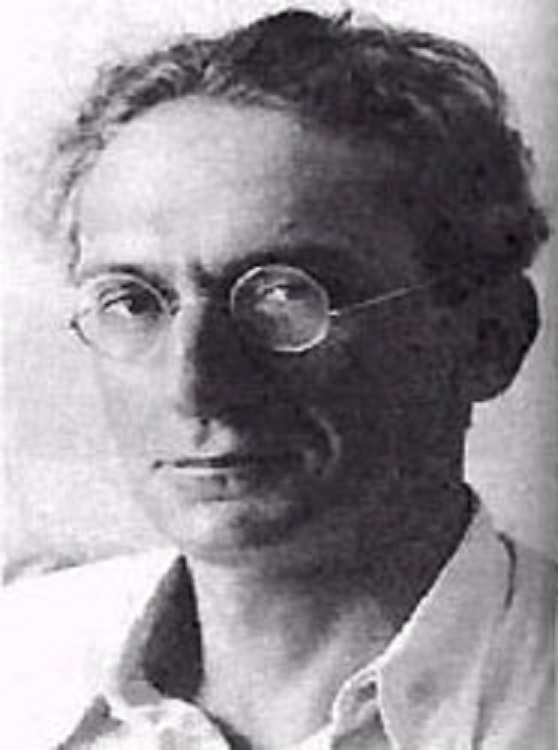
When Venus first appeared in the skies around 2525 BC, ancient peoples worldwide strove to come to terms with this brilliant and awesome new comet-planet (the best account is in Immanuel Velikovsky, Worlds in Collision, though it has been corrected in a Revised Venus Theory). That meant assigning the deity a gender and a name.
In the Near East, they tried both genders. In its masculine incarnation, Venus became the Bull of Heaven (as Velikovsky pointed out, the comet-planet’s body blocked the sun’s rays from the central portion of its tail and thus it was seen as having two horns). In its feminine version, Venus was called Ishtar or Astarte; and in the Levant Astarte was depicted with serpents in her hands—the twin tails of the comet.
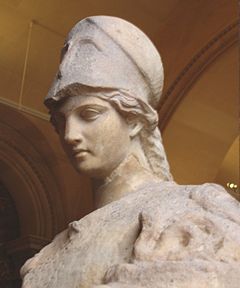
In Greece, according to Velikovsky, planet Venus was originally named Athena.
Tags: ancient history, Athena, Bull of Heaven, crete, etymology, Gilgamesh, Greece, Jupiter, Linear B, Master Impression, minoan, Minotaur, Mycenaean, mythology, Phoenicia, planetary science, Poseidon, science, Snake Goddess, Velikovsky, venus
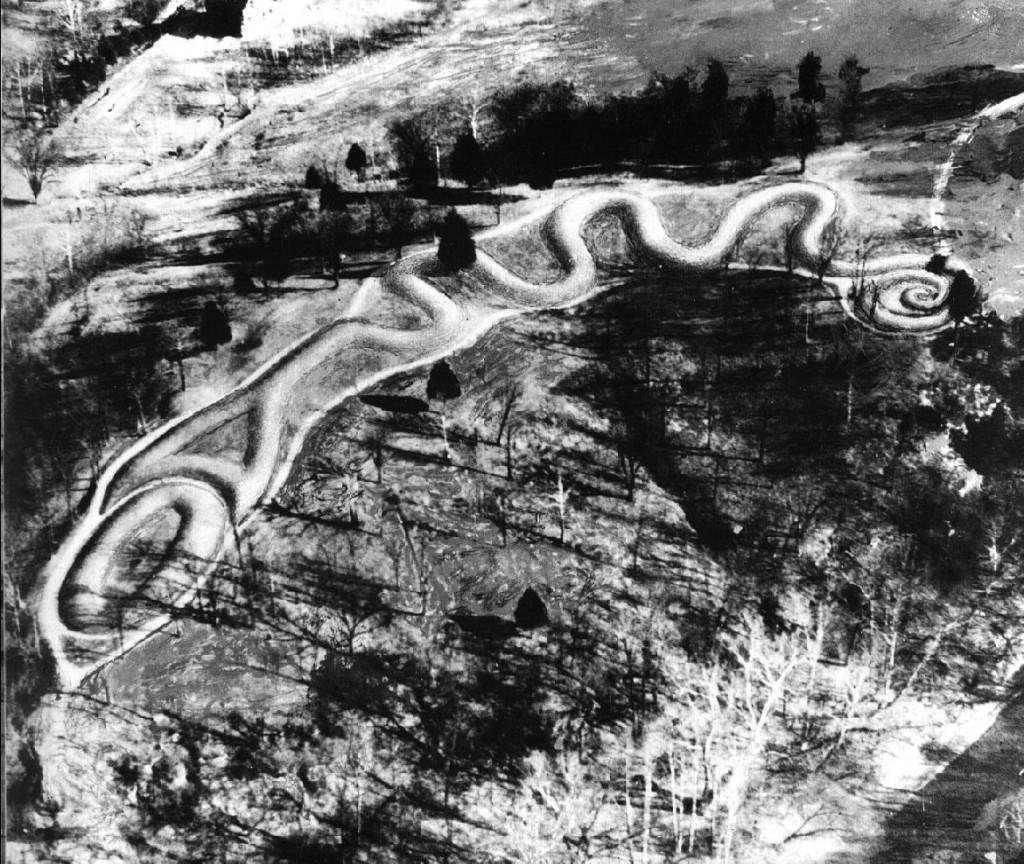
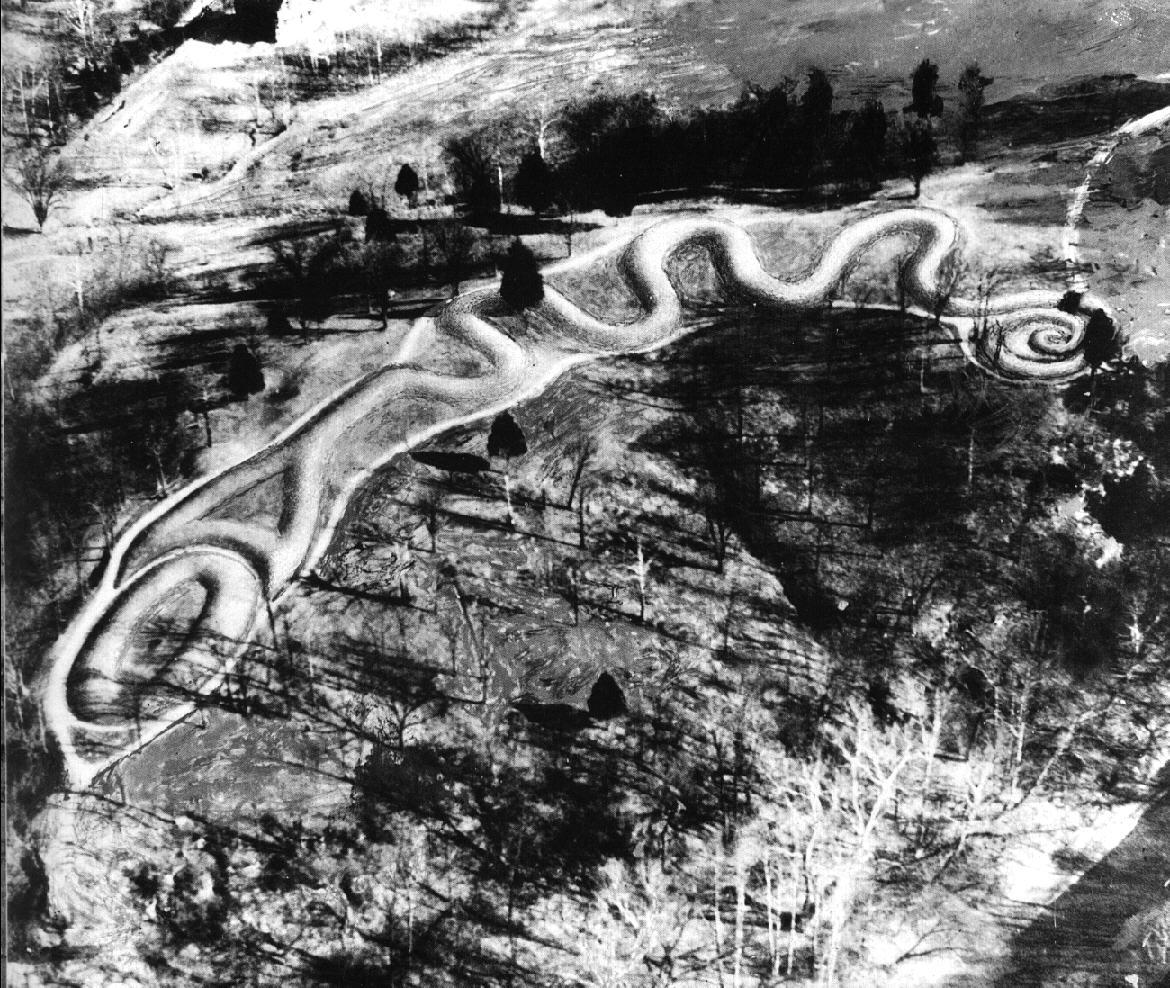
411-meter long Great Serpent Mound in Ohio is the world’s longest effigy monument. Archaeological investigations have yielded conflicting results about its initial construction date, and various theories regarding its meaning have failed to gain traction. But a Revised Venus Theory–one that modifies Immanuel Velikovsky’s theory that the planet Venus was originally a comet that approached the Earth and caused great devastation–neatly matches key characteristics of the Great Serpent Mound.
Recently, this Revised Venus Theory has gained additional credibility from a commonsensical explanation of how a comet-like Venus could have seemed to emerge from Jupiter as in ancient Hindu and Greek myths (Jupiter’s gravity pulled it from the outer solar system), including a simple, obvious reinterpretation of the Metis myth. Much new evidence has also emerged. And the theory has found powerful substantiation from a reinterpretation of the headdress of Queen Nefertari of Egypt, consort of Pharaoh Ramses II, in this image from Abu Simbel (Ramses II’s headdress appears to contain Mars with two moons and a tail, either borrowed from Venus in an encounter or from Martian dust stirred up by an encounter).
Tags: Ancient Egypt, Ancient North America, catastrophe, comet, iconography, planetary science, serpent mound, Velikovsky, venus
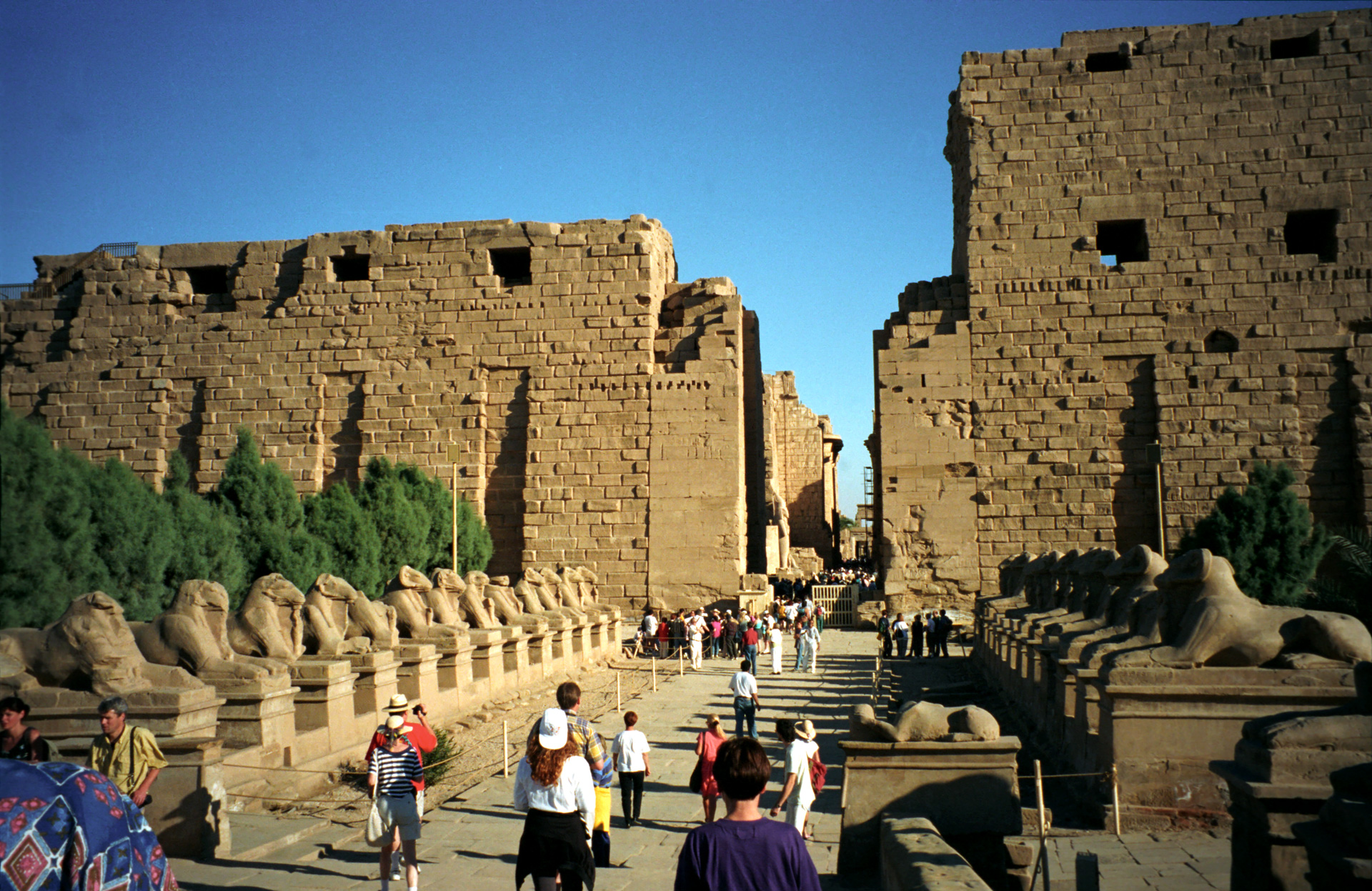 Sometimes we just need to listen carefully. Definitely in regard to Karnak.
Egyptian priests told Herodotus, a careful listener, that four times since Egypt had become a kingdom “the Sun rose contrary to his wont; twice he rose where he now sets, and twice he set where he now rises.”
This evidence, and much else, was interpreted by
Tags: alignment, Amon-Re, Ancient Egypt, archaeoastronomy, Gerald Hawkins, Herodotus, inversion, Karnak, Khonsupakerod, Middle Kingdom, New Kingdom, Norman Lockyer, orientation, Serabit el Khadim, Tanis, temples, Theban Hills, Velikovsky, venus
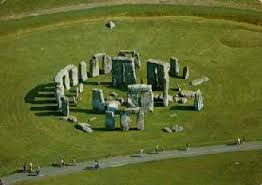 One of the world’s most famous monuments, Stonehenge abounds in mysteries and anomalies.
Why was Stonehenge built in the first place? Why was it radically transformed shortly before 2500 BC into a masterpiece of megalithic architecture? What explains the intricate, changing patterns of the stones over time? Why the extraordinary effort?
We now have answers to these and other questions, but to get to them we need to set aside preconceptions and come to terms with something that isn’t simple.
Tags: archaeoastronomy, Bronze Age catastrophes, Durrington Walls, eclipses, interpretation of myths, inversions, megalithic, Silbury Hill, Stonehenge, Velikovsky, venus
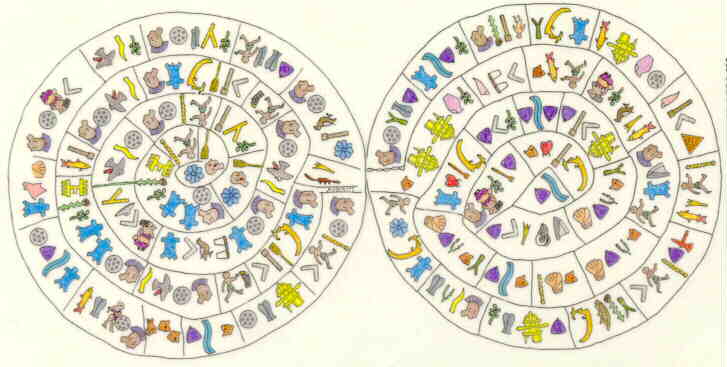 The famous spiral disk found in Phaistos, Crete in 1908 has long defied efforts to translate it or even to identify the language in which it is written or what kind of a document it might be (it is here in color to aid analysis). Though many scholars and amateurs have proposed theories and even translations, none has seemed persuasive to the great majority of observers. A skeptical view holds that the disk is a forgery, but most scholars reject this. Many scholars agree that the small sample of language in the disk makes a breakthrough very unlikely unless and until other samples of the writing are found.
Tags: Ancient Greece, ancient history, crete, Etruscan, linguistics, Phaistos disk, Trojan
 American history contains two outstanding wrongs committed against groups of us: the killing, displacement, and mistreatment of Native Americans and the subjection of African Americans to slavery and ongoing discrimination. Various thinkers have suggested kinds of reparations for these acts; but views differ sharply on whether reparations are justified, who should pay them, who should receive them, and what amount is fair and feasible. Instead of serving to heal our country, reparations have become one more divisive issue.
Yet reparations offer an alluring vision: via a concrete yet also symbolic national gesture, we could take a major step toward healing wounds, overcoming the past, and moving together into the future. They could counteract the negativity of partisan politics and lead to a happier multiethnic and multiracial society. So we need to think through how to bring Americans to comprehend and support a plan for reparations that will help us flourish as a united people.
Fortunately, a related issue affords us an excellent opportunity
Tags: Affirmative Action, African Americans, American history, Blacks, early intervention, Indians, Native Americans, poverty, reparations, US politics
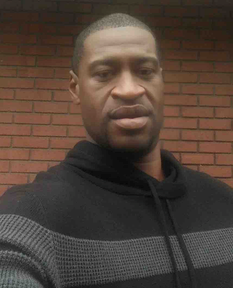 The death of George Floyd in Minneapolis on May 25, 2020 set off a nationwide surge of protests over police brutality against African-Americans. On April 20, 2021, the jury found Derek Chauvin, the police officer who pressed his knee on Floyd’s neck for nine minutes and 29 seconds, guilty of murder in the second and third degrees and manslaughter in the second degree. Worldwide attention to Floyd’s death has focused on racial disparities in the United States as well as on the specific issue of police brutality against African-Americans.
Still, even though the jury has come to its verdict, to understand our history correctly, we must consider a different possible motive for the killing.
Tags: American politics, criminology, Derek Chauvin, George Floyd, Minneapolis, police brutality, racism

On October 12, 1964, Mary Pinchot Meyer was murdered on the canal towpath in Georgetown. A divorced artist from a prominent family, Meyer was known by insiders to have been President John F. Kennedy’s senior female consort during his White House years, though the story never leaked to the public.
Her murder and the ensuing trial of Raymond Crump, Jr., an African-American laborer found by the police in the vicinity of the murder, drew a good deal of attention at the time. Crump had been identified by a gas station attendant helping start a car on a road overlooking the canal. Hearing cries of “Somebody help me. Somebody help me” and two shots, the attendant ran to look.
Tags: American history, assassination, conspiracy theories, John F. Kennedy, KGB, Mary Meyer
 Sometimes a storyteller misses the real meaning of the story.
By all accounts, the Cuban Missile Crisis was the most dangerous episode of the Cold War. The United States and the Soviet Union came frighteningly close to launching nuclear attacks at each other. Only fear, luck, and occasionally inspired negotiating moved them onto the path of resolving the crisis−via a humiliating Soviet withdrawal in the face of U.S. nuclear superiority.
Historians have identified many motives for the initial Soviet decision to place missiles in Cuba.
Tags: Allen Ginsberg, CIA, Cord Meyer, Cuban Missile Crisis, Fidel Castro, John F. Kennedy, KGB, LSD, Mary Meyer, Mary Pinchot Meyer, Nikita Khrushchev, Timothy Leary
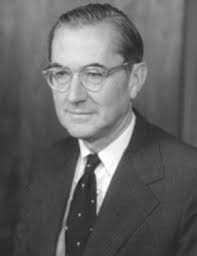 On April 27, 1996, 76-year old William Colby, former director of the CIA, disappeared from his vacation home on the water at Rocky Point, Maryland. Colby had spent the day at a marina fixing his sloop. He returned home after 6 pm, phoned his wife, who was visiting her mother in Texas, and told her he was tired and would eat supper, then go to bed. He watered his trees, met with his gardener and his visiting sister around 7:15 pm (sunset was at 7:57), and fixed himself a meal. The next day there was no sign of him. Eventually, a neighbor phoned the police. They found his supper half-eaten. The computer and radio were on. His canoe was missing.
By the next day a full-scale search with helicopters and divers was under way.
Tags: assassination, CIA, FBI, forensics, JFK, KGB, Mary Meyer, MLK, RFK, William Colby
 August 4, 1962. Celebrity actress Marilyn Monroe died in her bedroom in Los Angeles (or in the guest house near her house, from which she was carried back to her bedroom).
Tags: assassinations, CIA, FBI, JFK, KGB, Marilyn Monroe, MLK, RFK