
 New evidence and analysis suggest that the KGB was behind the 1963 assassination of President John F. Kennedy.
Some observers have always considered the Soviets a likely suspect. Lyndon Johnson evidently did. According to the House Select Committee on Assassinations’ chief counsel, Robert Blakey, after the assassination the Soviets went on nuclear alert. Johnson assured the Soviets that the US had no evidence of Soviet involvement and planned no reprisals.1 He also ordered the suppression of any hint of a KGB conspiracy for fear that an outraged public would demand retaliation that would lead to war.2 The Soviets had a palpable, powerful motive for assassinating Kennedy: to gain revenge for the humiliation of Khrushchev and the USSR in the 1962 Cuban missile crisis. The assassination also removed a popular young president and demoralized many Americans, while the cover-up alienated them from their government and media.
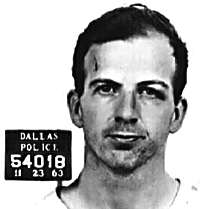
Certainly, the idiosyncratic odyssey of Lee Harvey Oswald into the Soviet Union and a Russian marriage as well as his contacts with Soviet diplomatic offices preceding the assassination afforded the KGB many opportunities to interact with him. Thus the KGB is the elephant in the living room of suspects in this case. Yet repeated investigations have failed to turn up specific evidence that would implicate the KGB.