
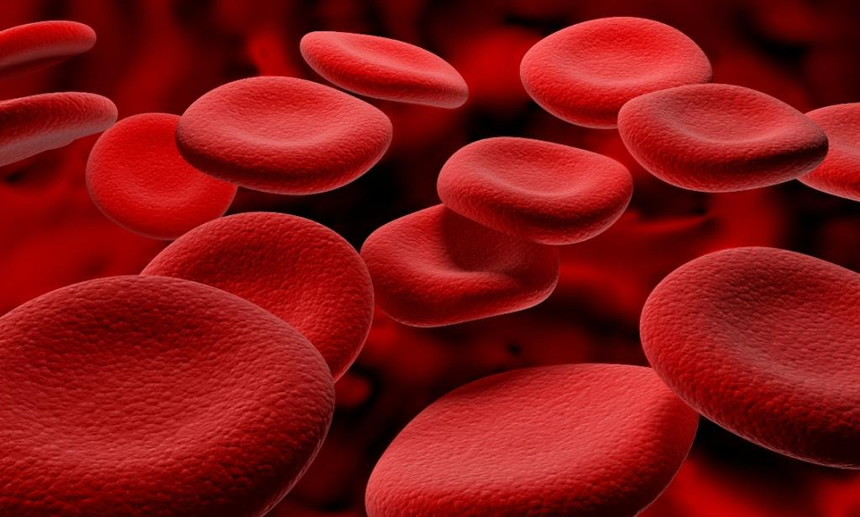
Biophotonic Therapy uses light in an extracorporeal or intravenous mode to activate the red blood cells, a form of immunity inherited from humankind’s distant oligocellular ancestors. BT has an instructive 100-year history; a range of modalities; well-characterized mechanisms of action; a wide array of indications; several counterindications; well-understood, limited side-effects in certain cases; and a scientific literature that now includes more than 400 articles as well as a score of books. No drug resistance to BT has ever been reported.
- Biophotonic Therapy is the use of light to activate the healing properties of the blood. BT is photomedicine and has a well-characterized clinical profile. A dozen books and some 400 articles in the German, Russian, and English-language medical literature describe Biophotonic Therapy. Other common names for BT are Ultraviolet Blood Irradiation and Photoluminescence Therapy.
- In BT’s extracorporeal form, ultraviolet and visible light are used to treat a small amount of blood, which is then reinfused.
- In BT’s intravenous form, a low-intensity laser (generally at 632.8 nm) shines through a waveguide inside a needle into the blood. BT can also be administered sublingually.

