

Slipping endlessly through the crack between oral and respiratory medicine, the humble mouthwash has slowly won more respect among savvy practitioners and patients as a solution for a range of indications.1 In Japan many millions of people gargle three times a day with green tea extracts or other mouthwashes to ward off upper respiratory tract infections (URTIs), and Japanese clinical studies have confirmed the value of this approach (Furushima D et al. Molecules. 2018 Jul 20;23(7)). Worldwide, medical practitioners recommend gargling to patients. Many people on their own have decided that gargling makes sense, while millions swish with mouthwash to protect teeth and gums as well as to combat halitosis.
Still, for curious reasons, this formidable method of suppressing infections remains in medical limbo. Not because there is no need. The average American suffers 2.5 episodes of URTI per year, with high costs for treatment, lost days of work, and morbidity. URTIs also exacerbate asthma, and they can enter the lungs and prove fatal. As a generic adjuvant therapy, gargling can help reduce viral load during epidemics while remaining hard for mutating viruses to outflank.
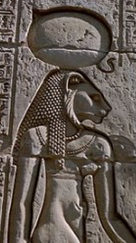
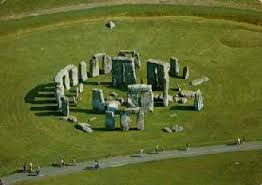
 In his book Worlds in Collision (1950), MD and psychoanalyst Immanuel Velikovsky argued that Venus had emerged as a comet from Jupiter, then approached Earth during the Bronze Age, causing catastrophes that appeared in the Bible and other ancient narratives and myths as well as leaving evidence in iconography, geology, archaeology, linguistics, and calendrics. Many scientists vehemently rejected his claims. Although Velikovsky attracted a sizeable following, he was shut out of scientific journals and became the single most vilified scientist of all time. After his death in 1979, the controversy–the greatest in planetary science since Copernicus and Galileo–faded into the background. But gradually researchers accumulated an array of new evidence supporting his case.
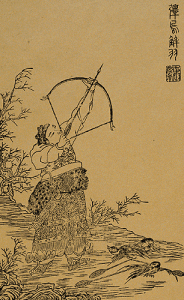 If we can interpret certain ancient myths correctly, they could lead us to more accurate and penetrating views of the history of the Earth and the solar system. They might teach us about the forces at work and explain anomalies bequeathed to us by a long-hidden past. But how can we interpret these myths, the products of minds so far removed from ours? How do we know which interpretation is correct, if any? Are we doomed to speculate without ever achieving certainty?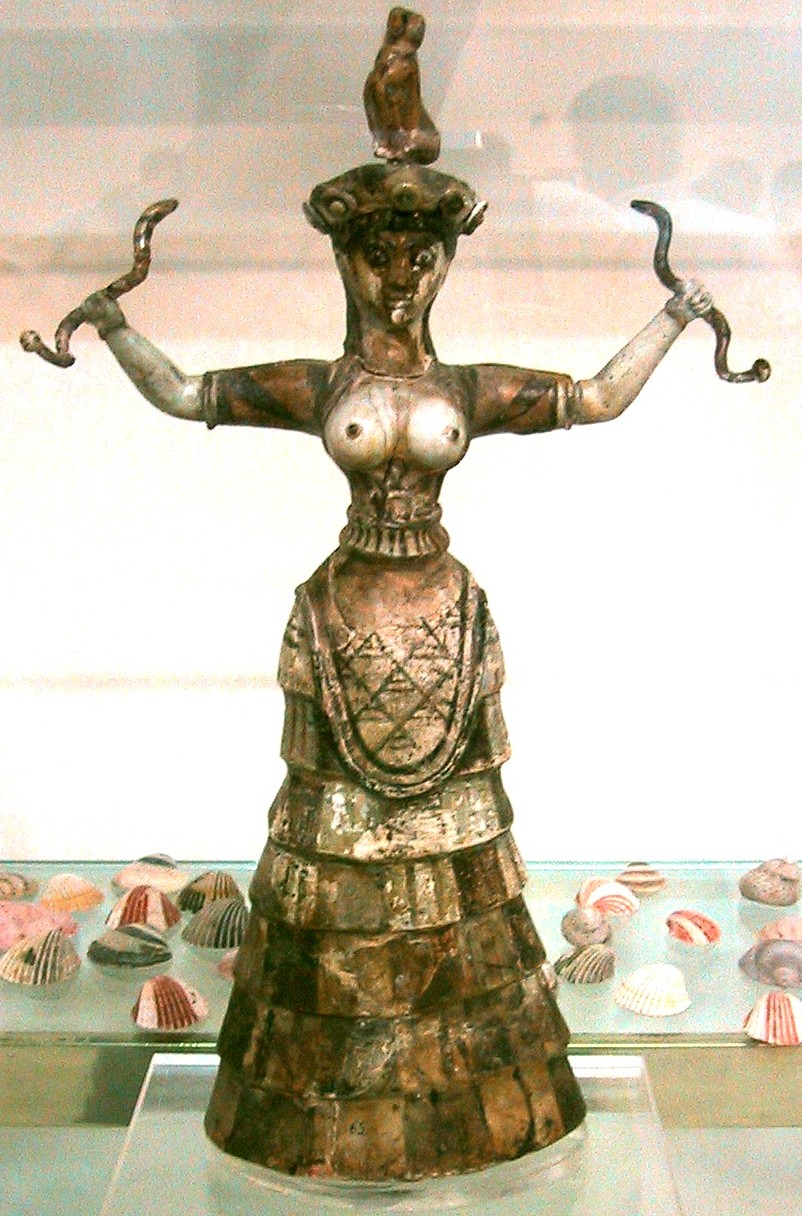
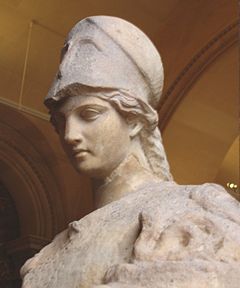


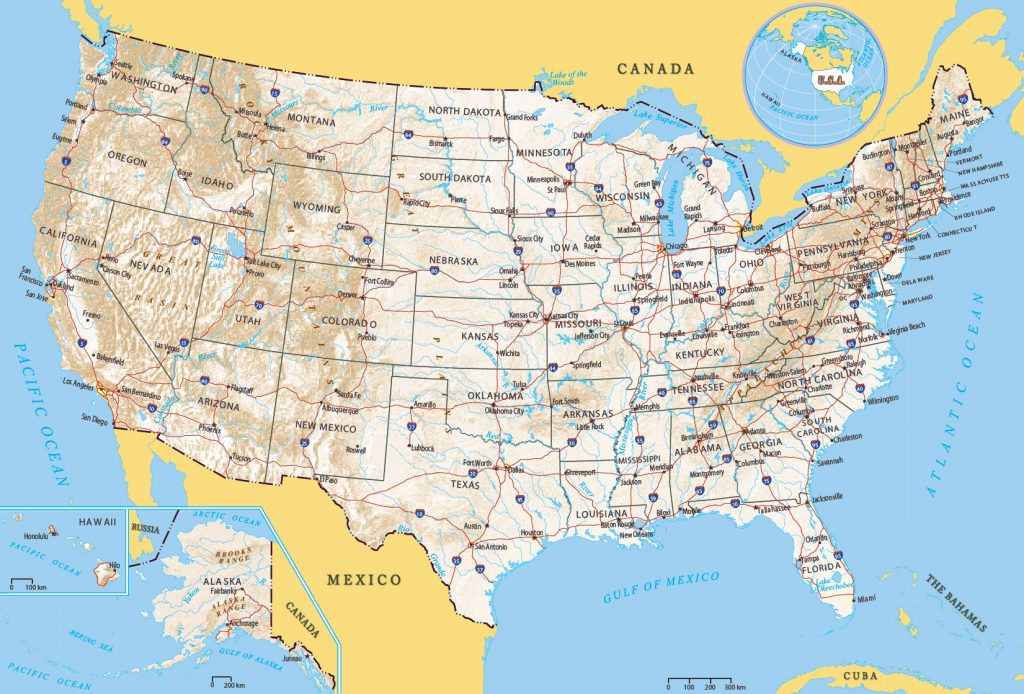 American history contains two outstanding wrongs committed against groups of us: the killing, displacement, and mistreatment of Native Americans and the subjection of African Americans to slavery and ongoing discrimination. Various thinkers have suggested kinds of reparations for these acts; but views differ sharply on whether reparations are justified, who should pay them, who should receive them, and what amount is fair and feasible. Instead of serving to heal our country, reparations have become one more divisive issue.

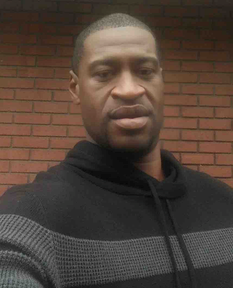 The death of George Floyd in Minneapolis on May 25, 2020 set off a nationwide surge of protests over police brutality against African-Americans. On April 20, 2021, the jury found Derek Chauvin, the police officer who pressed his knee on Floyd’s neck for nine minutes and 29 seconds, guilty of murder in the second and third degrees and manslaughter in the second degree. Worldwide attention to Floyd’s death has focused on racial disparities in the United States as well as on the specific issue of police brutality against African-Americans.