
 In this video, Tom Lowe, director of Physicians Awareness UBI, and Kenneth J. Dillon, author of Healing Photons, discuss the history, science, challenges, and promise of Biophotonic Therapy. Also known as ultraviolet blood irradiation, BT treats small amounts of blood with light in extracorporeal or intravenous modes. BT was invented by Emmet Knott in the 1920s. Hundreds of clinical studies have shown its effectiveness in various indications, e.g., against childhood asthma. Thousands of practitioners around the world use it to treat a wide range of disorders. BT is the leading phototherapeutic treatment of infectious diseases.
Biophotonic Therapy uses light in an extracorporeal or intravenous mode to activate the red blood cells, a form of immunity inherited from humankind’s distant oligocellular ancestors. BT has an instructive 100-year history; a range of modalities; well-characterized mechanisms of action; a wide array of indications; several counterindications; well-understood, limited side-effects in certain cases; and a scientific literature that now includes more than 400 articles as well as a score of books. No drug resistance to BT has ever been reported.
- Biophotonic Therapy is the use of light to activate the healing properties of the blood. BT is photomedicine and has a well-characterized clinical profile. A dozen books and some 400 articles in the German, Russian, and English-language medical literature describe Biophotonic Therapy. Other common names for BT are Ultraviolet Blood Irradiation and Photoluminescence Therapy.
- In BT’s extracorporeal form, ultraviolet and visible light are used to treat a small amount of blood, which is then reinfused.
- In BT’s intravenous form, a low-intensity laser (generally at 632.8 nm) shines through a waveguide inside a needle into the blood. BT can also be administered sublingually.

Slipping endlessly through the crack between oral and respiratory medicine, the humble mouthwash has slowly won more respect among savvy practitioners and patients as a solution for a range of indications.1 In Japan many millions of people gargle three times a day with green tea extracts or other mouthwashes to ward off upper respiratory tract infections (URTIs), and Japanese clinical studies have confirmed the value of this approach (Furushima D et al. Molecules. 2018 Jul 20;23(7)). Worldwide, medical practitioners recommend gargling to patients. Many people on their own have decided that gargling makes sense, while millions swish with mouthwash to protect teeth and gums as well as to combat halitosis.
Still, for curious reasons, this formidable method of suppressing infections remains in medical limbo. Not because there is no need. The average American suffers 2.5 episodes of URTI per year, with high costs for treatment, lost days of work, and morbidity. URTIs also exacerbate asthma, and they can enter the lungs and prove fatal. As a generic adjuvant therapy, gargling can help reduce viral load during epidemics while remaining hard for mutating viruses to outflank.
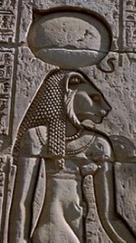 In his Worlds in Collision (New York: Macmillan, 1950), Immanuel Velikovsky argued that Venus emerged as a red-hot comet from Jupiter and passed Earth every 52 years, causing the Bronze Age catastrophes, before settling into its current orbit. His claim set off a controversy in which his theory was rejected and stigmatized. But over the years, new findings have changed the picture. Here are eight new reasons to accept a Revised Venus Theory.
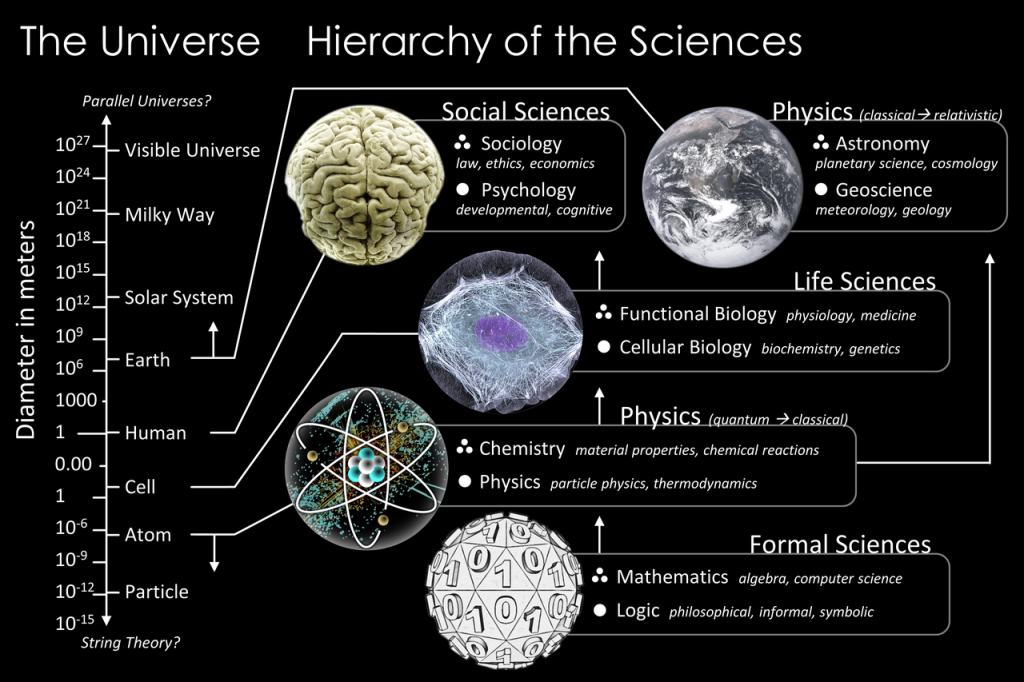
What makes a theory good? In his canonical 1991 book Inference to the Best Explanation, Peter Lipton attempts to answer this fraught question. The philosopher identifies eleven explanatory virtues that are often placed within four groupings: evidential, coherential, aesthetic, and diachronic. Two others, James Beebe1 and Kenneth Dillon2, draw upon the same categorical schema to present four other virtues for consideration. All fifteen are listed and defined in the following table:
Historia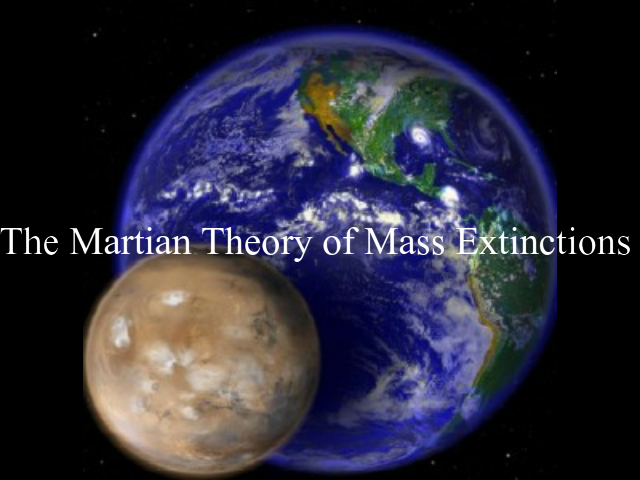 n and scientific researcher Kenneth J. Dillon explains his The Martian Theory of Mass Extinctions. For most of the past 4 billion years, the orbits of Mars and Earth were more eccentric than at present, and they intersected. The closest approaches of Mars led to the great mass extinctions of prehistory, while more distant approaches might account for many minor extinctions as well. The theory shows why the extinctions were serial events, why they differed in size, how they shaped the surface of Mars, and what made them so terrifically devastating. For further information, see https://www.scientiapress.com/extinctions.

Sea-based approaches to the disposal of nuclear waste make it hard for terrorists, rebels, or criminals to steal for use in radiological weapons or in nuclear bombs. The world’s oceans have a vastly greater dilutive capacity than any single land site in the event of unintended leaks (though by the same token the effects of a leak could travel farther). And seawater itself contains a variety of radionuclides, so treating it as a domain in which there is no natural radioactivity runs counter to fact. Meanwhile, without a great deal of additional investment and endless political arguments, land-based geological storage sites will not have the capacity to store all the waste that will be generated in future decades.
The most important rationale, though, is that siting, constructing, and operating land-based long-term storage sites constitute major, difficult technological and political problems. It is wrongheaded and irresponsible to assume that many relatively poor, unstable, and technologically lagging countries with nuclear reactors will deal successfully with these challenges. Too many things can go wrong, with disastrous outcomes.
So a shared international solution to the problems of the long-term storage of nuclear waste should represent a high priority. And investigating sea-based solutions makes eminent sense because they are peculiarly suited to international cooperation. However, when considering solutions that require significant noise generation, we need to consider potential damage to sea creatures, similar to the damage caused by undersea mining.1
Four sea-based approaches recommend themselves.
 The Mediterranean Diet offers healthy, tasty fruits, vegetables, whole grains, nuts, fish, and olive oil while reducing intake of milk products, meat, processed foods, and sweets. It prevents cardiovascular disorders, lowers the incidence of cancer and diabetes, and curbs neurodegenerative processes. Yet, in spite of the pressing need to confront the global obesity epidemic, the MD has received relatively little attention in regard to its potential for weight loss.
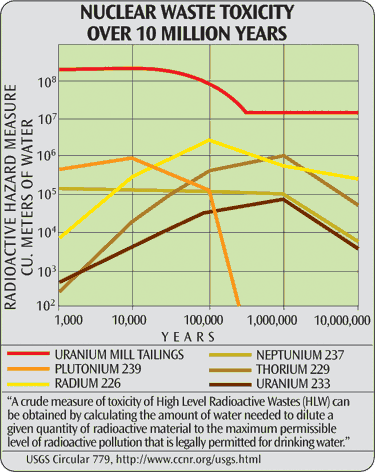
Remix & Return is a concept for solving the vexing problem of the disposal of radioactive waste. It refers to remixing waste with uranium mine and mill tailings, then returning the mixture to the mines from which it came. The average original level of radioactivity of the uranium ore before it was extracted is first estimated, and this becomes the upper, “natural” limit of the tailings and waste that may be reinserted into a given mine.
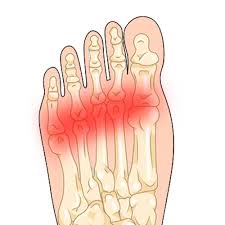 Metatarsalgia, pain in the metatarsal/forefoot area, is a common foot problem. In milder cases, it can be managed with pads, supportive footwear, adequate rest, NIAIDs, and other remedies. However, some cases become more severe over time. They cause considerable pain and undermine mobility. Among the treatments that help manage the syndrome, prolotherapy has won a number of adherents. It involves injections of dextrose, often mixed with an anesthetic. The injections stimulate natural healing. But prolotherapy is not necessarily the best option.

Concerned over shortages of face masks, U.S. medical authorities initially discouraged the use of face masks by the public. But a good deal of evidence (Jefferson T 2007) shows that face masks reduced the risk of infection by 68% in SARS, an analogue of COVID-19. This suggests that wearing face masks can go far toward slowing the spread of the pandemic. Therefore, we need to find a way to provide enough of them not just to protect medical personnel but also to protect the public. Reusing them seems a very attractive strategy.