 In this video, Tom Lowe, director of Physicians Awareness UBI, and Kenneth J. Dillon, author of Healing Photons, discuss the history, science, challenges, and promise of Biophotonic Therapy. Also known as ultraviolet blood irradiation, BT treats small amounts of blood with light in extracorporeal or intravenous modes. BT was invented by Emmet Knott in the 1920s. Hundreds of clinical studies have shown its effectiveness in various indications, e.g., against childhood asthma. Thousands of practitioners around the world use it to treat a wide range of disorders. BT is the leading phototherapeutic treatment of infectious diseases.
Tags: Biophotonic Therapy, biophotons, chemiluminescence, Emmet Knott, infectious diseases, intravenous laser therapy, red blood cells, UBI, ultraviolet, Ultraviolet Blood Irradiation
Biophotonic Therapy uses light in an extracorporeal or intravenous mode to activate the red blood cells, a form of immunity inherited from humankind’s distant oligocellular ancestors. BT has an instructive 100-year history; a range of modalities; well-characterized mechanisms of action; a wide array of indications; several counterindications; well-understood, limited side-effects in certain cases; and a scientific literature that now includes more than 400 articles as well as a score of books. No drug resistance to BT has ever been reported.
Tags: biophotonics, blood, infectious diseases, irradiation, photoluminescence, phototherapy, ultraviolet
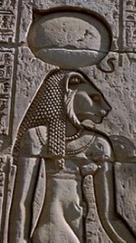 In his Worlds in Collision (New York: Macmillan, 1950), Immanuel Velikovsky argued that Venus emerged as a red-hot comet from Jupiter and passed Earth every 52 years, causing the Bronze Age catastrophes, before settling into its current orbit. His claim set off a controversy in which his theory was rejected and stigmatized. But over the years, new findings have changed the picture. Here are eight new reasons to accept a Revised Venus Theory.
Tags: Archer Yi, Athena, Bronze Age catastrophes, catastrophism, earth science, Immanuel Velikovsky, interpretation of myths, Martian Theory of Mass Extinctions, Metis, Outer Solar System Origin of the Terrestrial Planets, planetary science, Poseidon, Revised Venus Theory, The Knowable Past, Theory of the Reversing Earth, tidal theory of the planets, Worlds in Collision
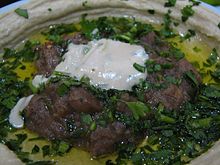 The Mediterranean Diet offers healthy, tasty fruits, vegetables, whole grains, nuts, fish, and olive oil while reducing intake of milk products, meat, processed foods, and sweets. It prevents cardiovascular disorders, lowers the incidence of cancer and diabetes, and curbs neurodegenerative processes. Yet, in spite of the pressing need to confront the global obesity epidemic, the MD has received relatively little attention in regard to its potential for weight loss.
Tags: diet, mediterranean diet, nutrition, obesity, weight loss
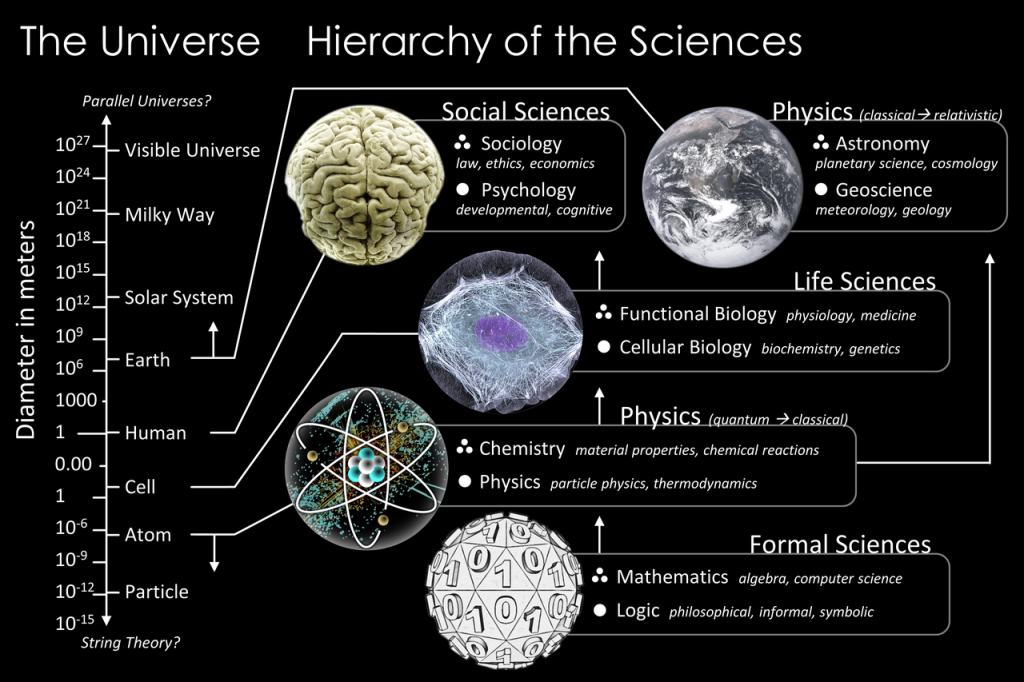
What makes a theory good? In his canonical 1991 book Inference to the Best Explanation, Peter Lipton attempts to answer this fraught question. The philosopher identifies eleven explanatory virtues that are often placed within four groupings: evidential, coherential, aesthetic, and diachronic. Two others, James Beebe and Kenneth Dillon, draw upon the same categorical schema to present four other virtues for consideration. All fifteen are listed and defined in the following table:
Tags: explanatory virtues, explanatory virtues of an hypothesis, notional scoring, Peter Lipton, philosophy of science, scientific theory
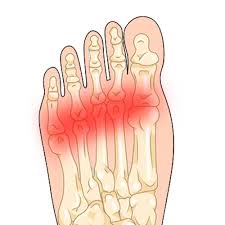 Metatarsalgia, pain in the metatarsal/forefoot area, is a common foot problem. In milder cases, it can be managed with pads, supportive footwear, adequate rest, NIAIDs, and other remedies. However, some cases become more severe over time. They cause considerable pain and undermine mobility. Among the treatments that help manage the syndrome, prolotherapy has won a number of adherents. It involves injections of dextrose, often mixed with an anesthetic. The injections stimulate natural healing. But prolotherapy is not necessarily the best option.
Tags: Biophotonic Therapy, low-intensity laser, metatarsalgia, podiatry, prolotherapy
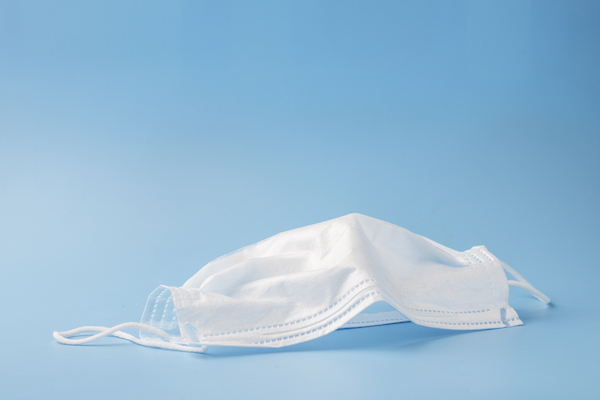
Concerned over shortages of face masks, U.S. medical authorities initially discouraged the use of face masks by the public. But a good deal of evidence (Jefferson T 2007) shows that face masks reduced the risk of infection by 68% in SARS, an analogue of COVID-19. This suggests that wearing face masks can go far toward slowing the spread of the pandemic. Therefore, we need to find a way to provide enough of them not just to protect medical personnel but also to protect the public. Reusing them seems a very attractive strategy.
Tags: coronavirus, COVID-19, face mask, N-95, pandemic, SARS

Studies by Japanese researchers show that gargling is protective against respiratory infections. Here is a letter that lays out the case for gargling against COVID-19.
Tags: CDC, coronavirus, COVID-19, gargling, Japan, open letter, pandemic, respiratory infections

 Humankind needs a low-cost, low-side effects therapy for disseminated infections like HIV and multidrug-resistant TB. In fact, circumstantial evidence and logic suggest that such a therapy exists. But, for perverse reasons, it has never been properly tested. That therapy is Biophotonic Therapy, which can be administered to the blood extracorporeally with various kinds of light or intravenously with a low-intensity laser. BT has an excellent track record as a treatment of viral disorders ranging from bulbar spinal poliomyelitis to chronic hepatitis. Invented in the United States in the 1920s, BT has been used extensively in Germany and Russia, but not in any clinical trial against HIV or MDR-TB.